Artifice and the Mimetic Powers of Nature
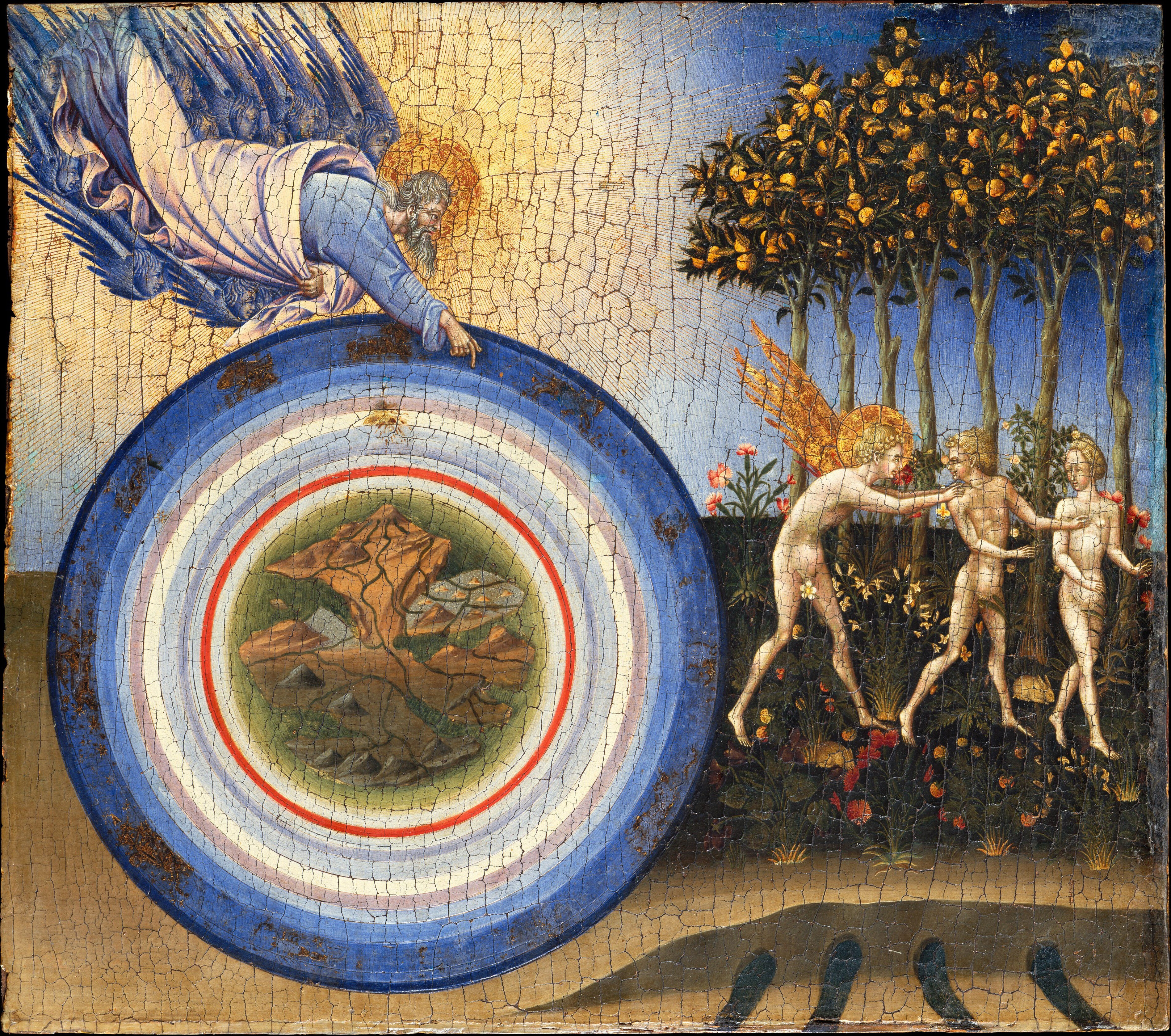
The origin story is familiar. You have probably heard it before. In 1921, Karel Čapek’s play Rossum’s Universal Robot (R.U.R.) premiered at the National Theatre in Prague. It told of a mad scientist who had discovered an alternative chemical composition of matter that could replicate life. Although he could have grown anything, “a jellyfish with the brain of Socrates, or a fifty-yard-long earthworm,” the inventor Old Rossum was compelled to “scientifically dethrone God” and mould a creature in his own image. The play opens on an island factory where an army of androids, devoid of a “soul,” are being bred as slave labour. By the end, the robots awaken, rebel against their creators, and wipe out the human race. It was an instant success, and versions of the story have been repeated many times. Today, the play is remembered as the genesis of the term “robot.”
Exclusive to the Magazine
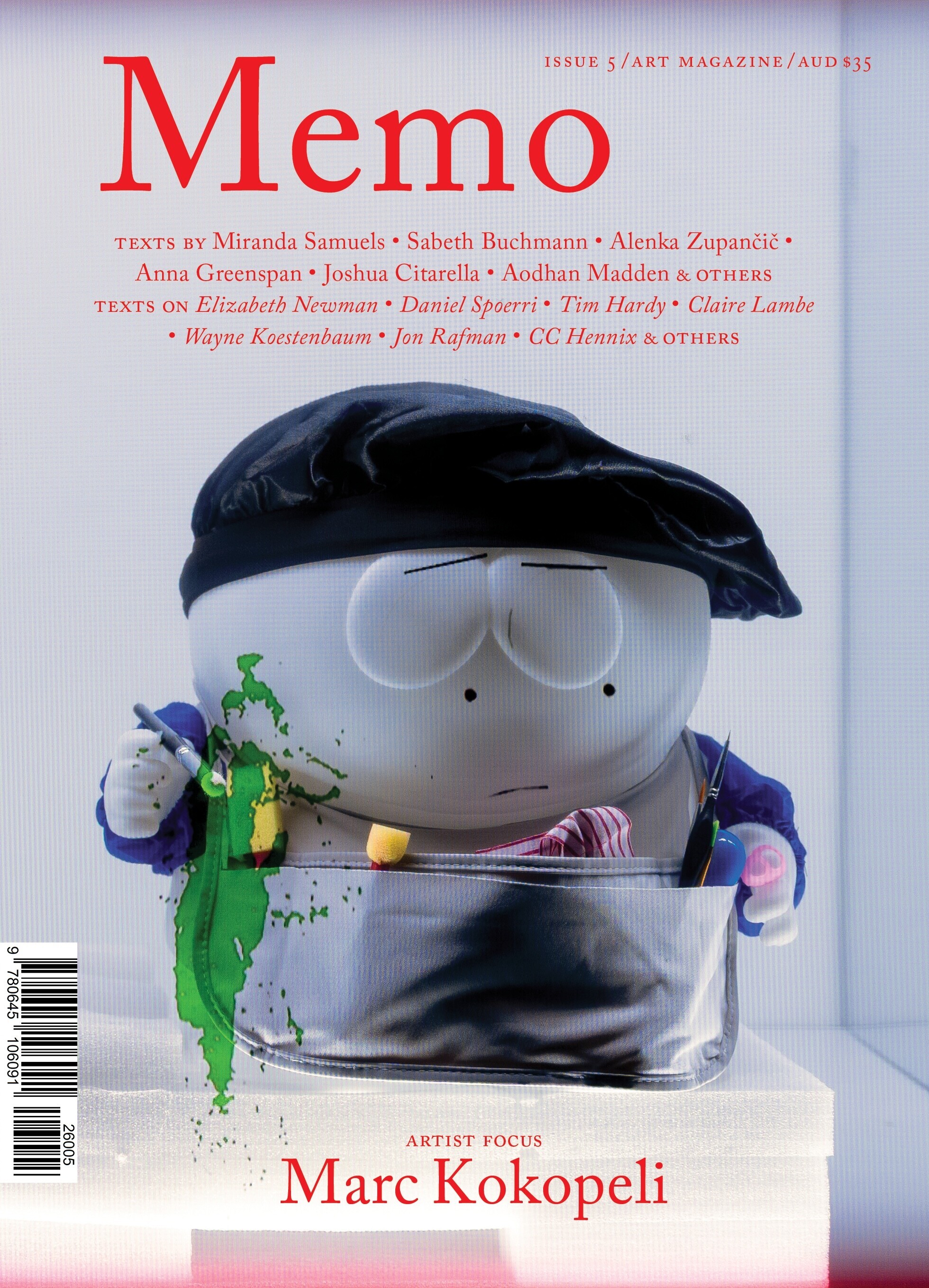
Artifice and the Mimetic Powers of Nature by Anna Greenspan is featured in full in Issue 5 of Memo magazine.
Get your hands on the print edition through our online shop or save up to 20% and get free domestic shipping with a subscription.
Anna Greenspan is Associate Professor of Global Contemporary Media at NYU Shanghai and Director of its Center of AI and Culture. She is currently researching the history of garden arts for a project on the “Nature of Artifice.”