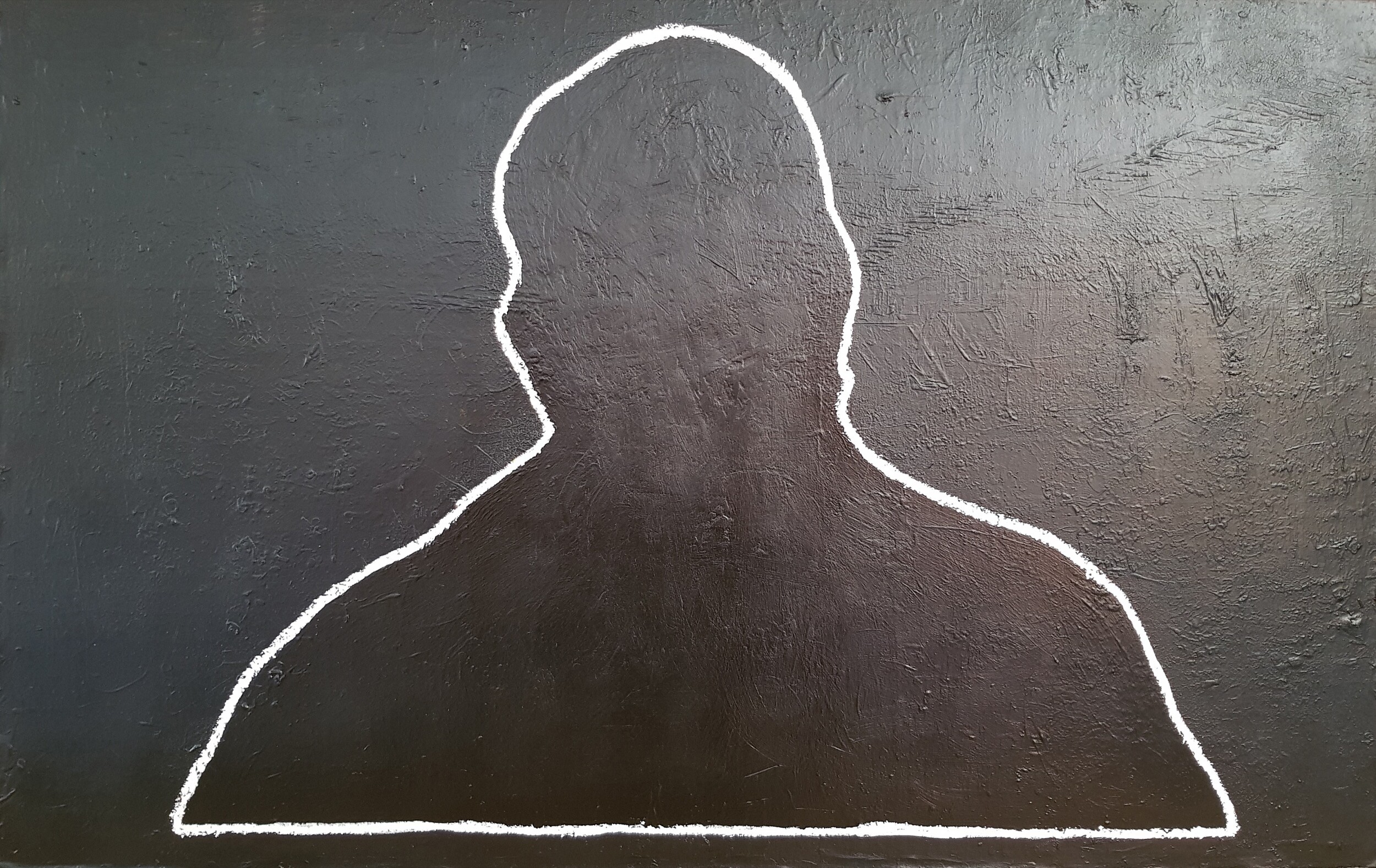
Risk Factor: Khaled Sabsabi and Monash University’s Crisis of Courage
Monash University’s indefinite postponement this week of an exhibition featuring Khaled Sabsabi signals a deepening crisis in Australia’s cultural institutions. In the wake of Creative Australia’s Venice Biennale reversal, we are witnessing a damaging institutional retreat from risk—where the language of care and consultation masks a quiet erosion of artistic and academic freedom.
There’s a revealing moment in Tony McIlroy’s recently published book on the controversial acquisition of Jackson Pollock’s Blue Poles by the National Gallery of Australia in 1973. The NGA’s visionary young director, James Mollison, was poised to secure what was already recognised as one of Pollock’s most significant works—a coup by any measure—and just needed his higher-ups to approve the purchase and release the funds to cover the $1.3 million asking price. It was a lot of money back then, and it was anticipated that the fact the government would spend so much on a large piece of abstract art was going to be met in some quarters with shock and ridicule. The Prime Minister, Gough Whitlam, was duly briefed, with one recommendation being to not to make the price public.
But he did, and more. Whitlam leaned into the purchase wholeheartedly, loudly proclaiming the painting a “masterpiece,” and all but daring his conservative opponents and the media to push back. The painting was indeed ridiculed in the press, and the price deemed exorbitant, but history has since proven Whitlam one of the saga’s victors. By any measure, Blue Poles stands as one of the savviest purchases the NGA has ever made.
When I read this, my mind unavoidably turned to the recent Venice Biennale debacle. The kind of courage of conviction shown by Whitlam was in that case entirely absent. To recap: in February it was announced that Khaled Sabsabi, an Australian artist who migrated to Australia from Lebanon with his family in 1978, would, along with curator Michael Dagostino, represent Australia at the 2026 Venice Biennale. A mere six days later the appointment was rescinded. The reason was a specious question-time suggestion by the shadow minister for the Arts, Claire Chandler, that Sabsabi was somehow a terrorist sympathiser due to imagery he’d used in two prior works (both nearly two decades old, both purposefully ambiguous). The issue, if you can even call it that, was soon gleefully picked up by the Murdoch press, which prosecuted it exactly how one would expect.
Others have already written in detail about these shameful events, but to me the most revealing aspect was the near-total lack of support at a political level for the art and, by extension, the artist. To my knowledge, no Labor politician saw fit to call Chandler’s calculated smear of Sabsabi what it was: cynical political point-scoring (or, more bluntly, bullshit). There were of course sustained calls for Sabsabi’s reinstatement from the arts community, including from an esteemed group of previous Venice Biennale representatives, but it all fell on deaf ears. The chief executive officer of Creative Australia, Adrian Collette, who was ultimately responsible for the decision, meekly told a Senate Estimates hearing that Australia’s exhibition pavilion in Venice in 2026 might lay vacant. This after our 2024 representative, Archie Moore, made history by becoming the first Australian to be awarded the Biennale’s coveted Golden Lion for best exhibition. The work of artists, it seemed, simply did not matter when “real” politics were in play.
Now, we are beginning to see the ramifications of the Venice decision, both for Sabsabi himself, and for the Australian art world. As most readers will be aware, news came on Wednesday that Monash University had stepped in to indefinitely postpone an exhibition at the Monash University Museum of Art (MUMA) that had been planned for eighteen months, and which was due to open in May. Titled Flat Earth, it had been developed by the Sydney-based art and publishing collective Stolon Press which is run by artist Simryn Gill and writer Tom Melick (disclosure: I have an essay coming out with Stolon Press in June and have previously held a position as a lecturer with Monash University).