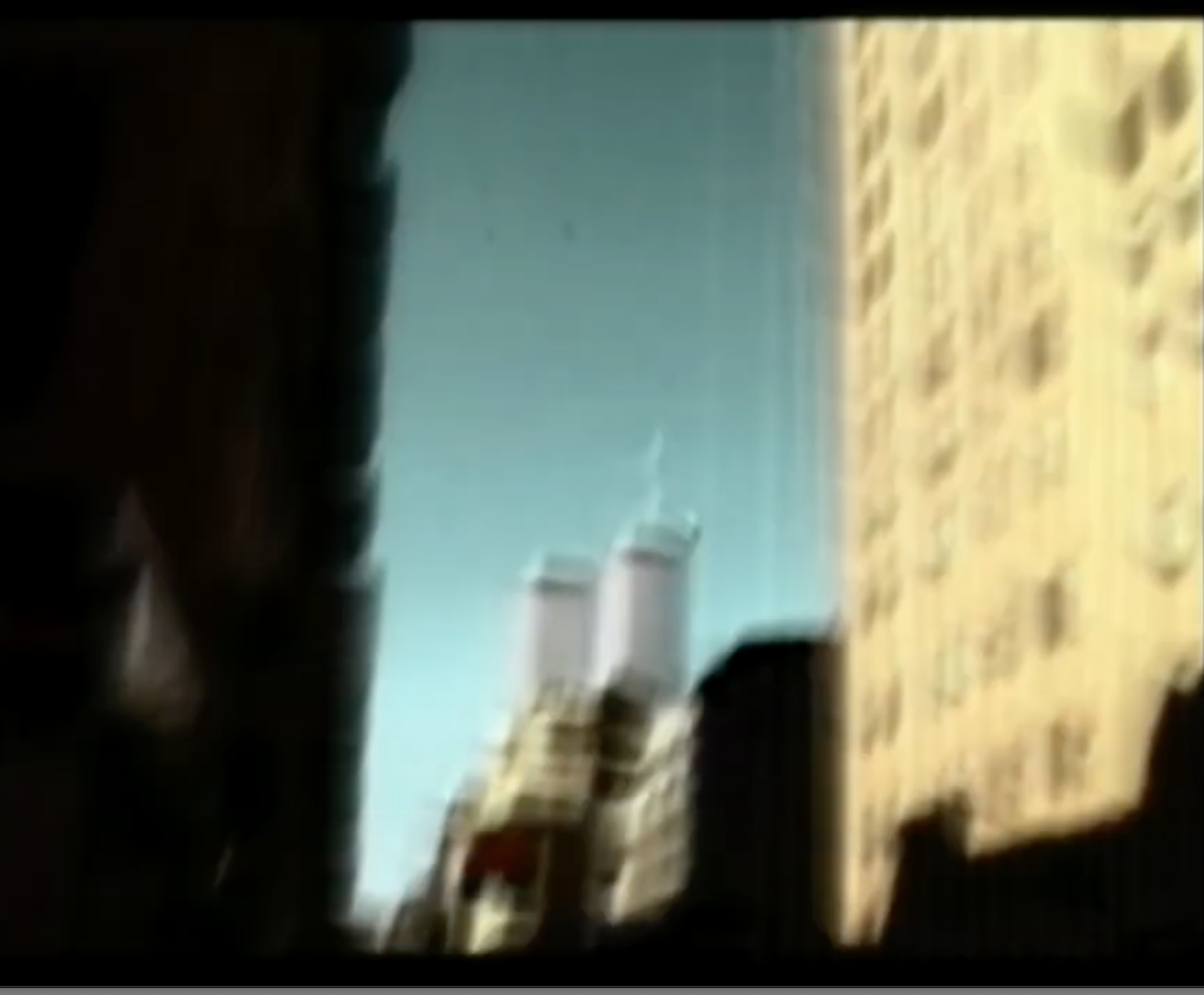
No Thank You
In the wake of terrible events, who responds appropriately?
Can we say that great—or even important—works of art live on because they speak to the future, or even predict their future? Which also means speak to or predict their own future reception. That they are somehow about, and somehow are already responding to, what we make of them when we read or look at them today. In a way, they not only answer back to us, offering their own suggestions and qualifications, but also provide us with the language by which we would discuss and understand them altogether.
We find all this, of course, in Shakespeare, who in his Antony and Cleopatra (1607) has Cleopatra imagining herself being brought to Rome where her and Antony’s story is performed on a stage that is Elizabethan, so that in effect she is already commenting on the play she is in by Shakespeare and the audience watching her in the Globe.
And one of us has written about the way that the New Zealand artist Colin McCahon in his Elias series (1959) addresses the way his work lives on even in its interpreters’ misunderstandings, just as the prophet Elias, who had come to witness Christ’s crucifixion, misheard His last words on the cross and helped start Christianity.
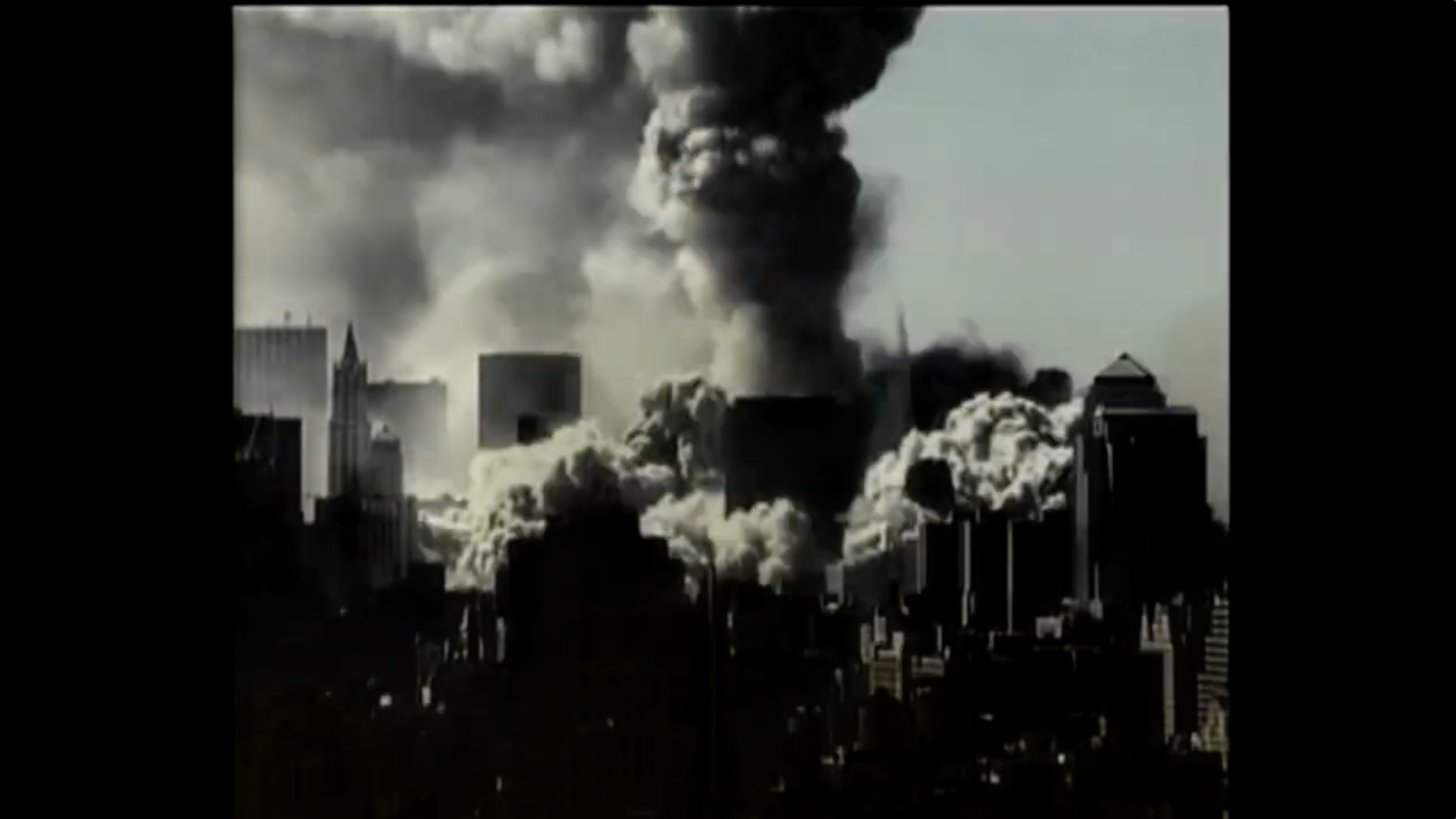
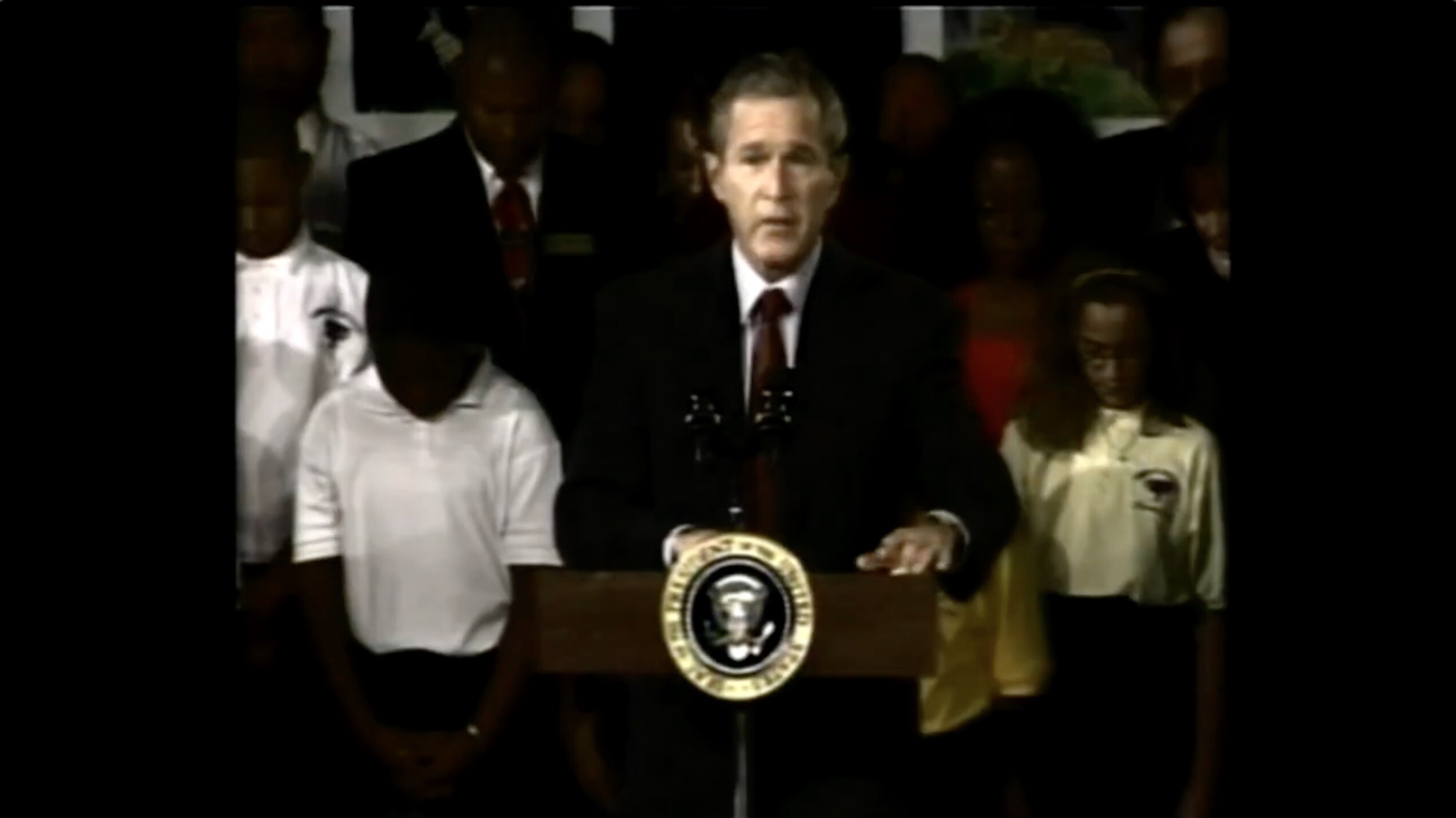
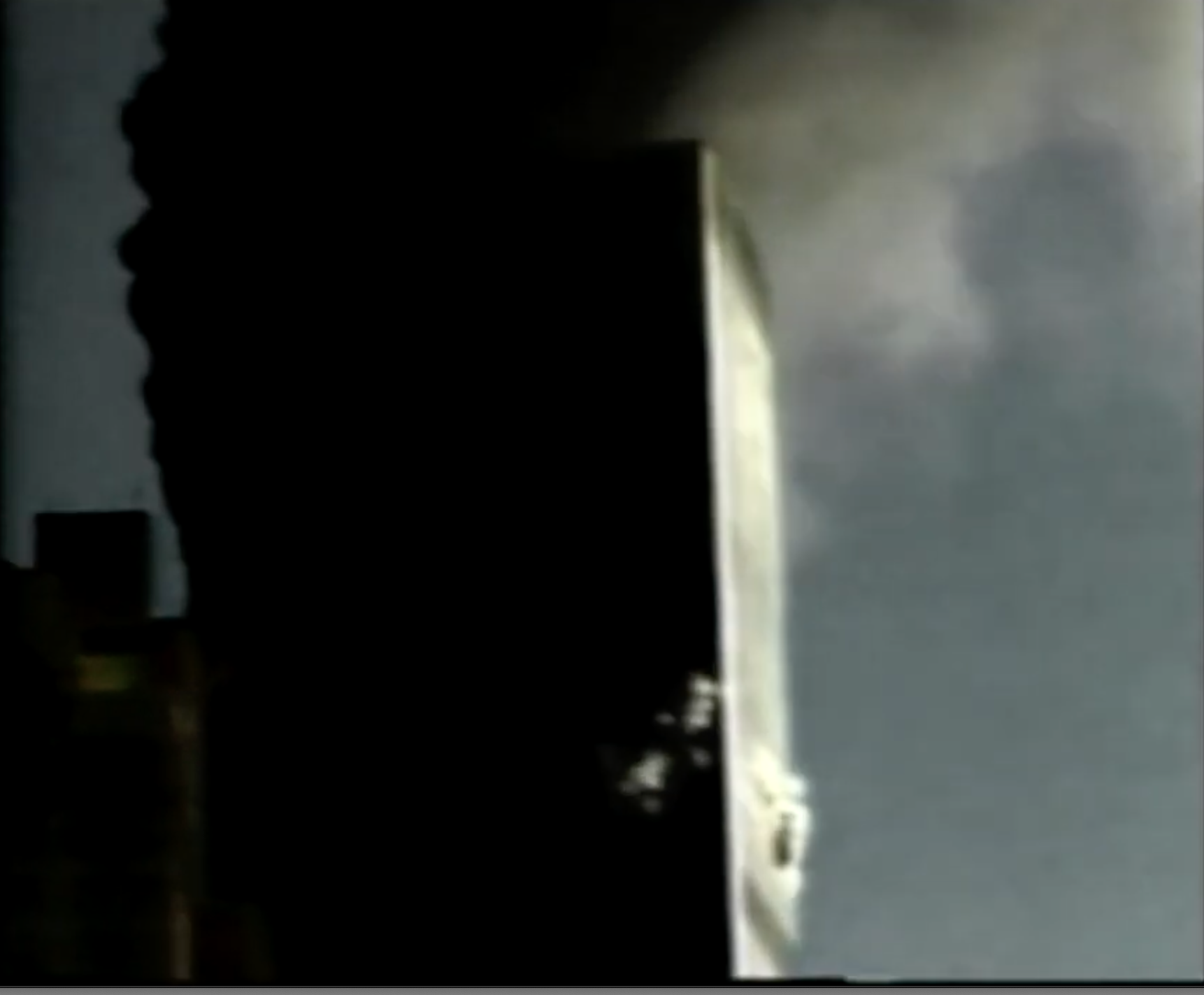
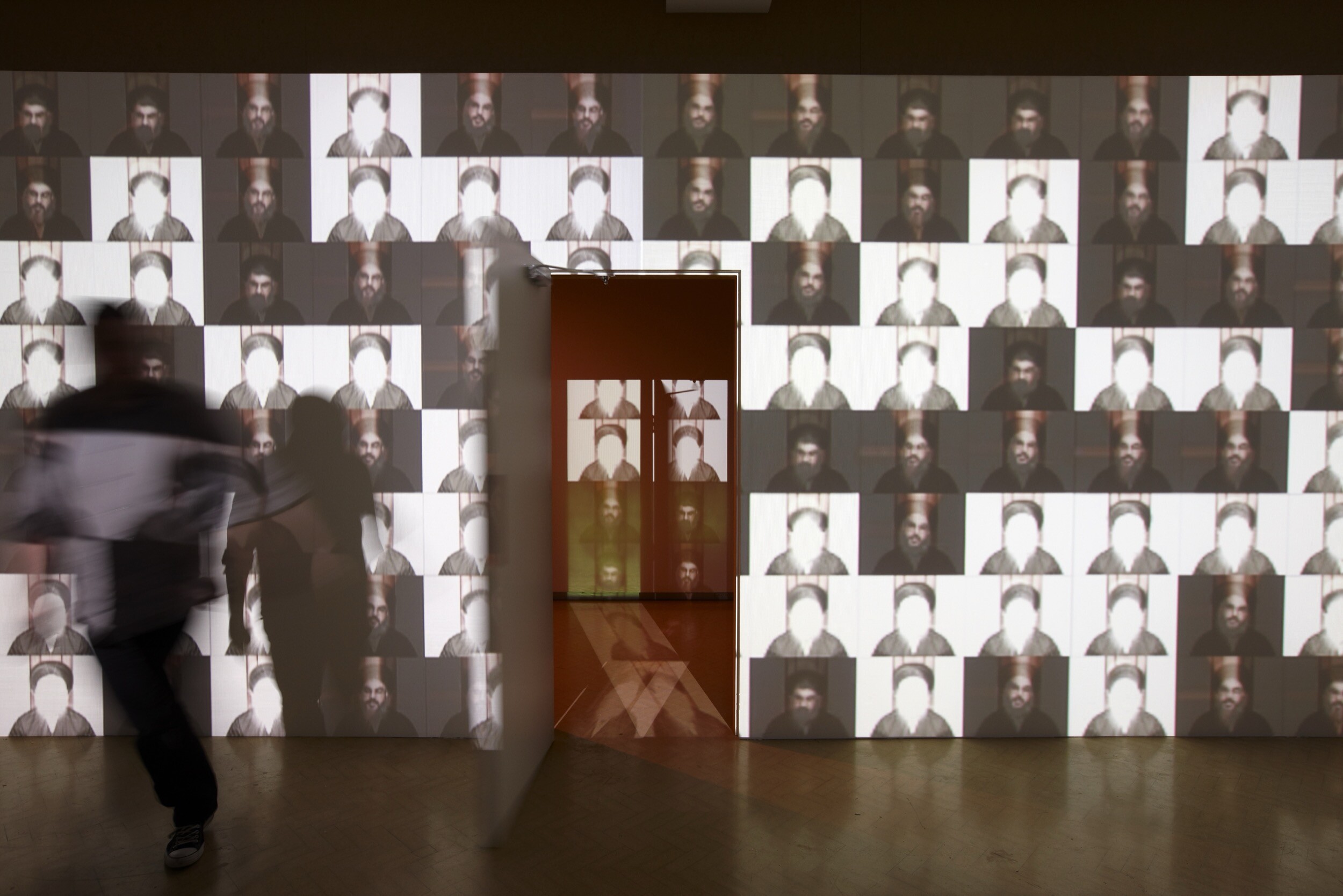
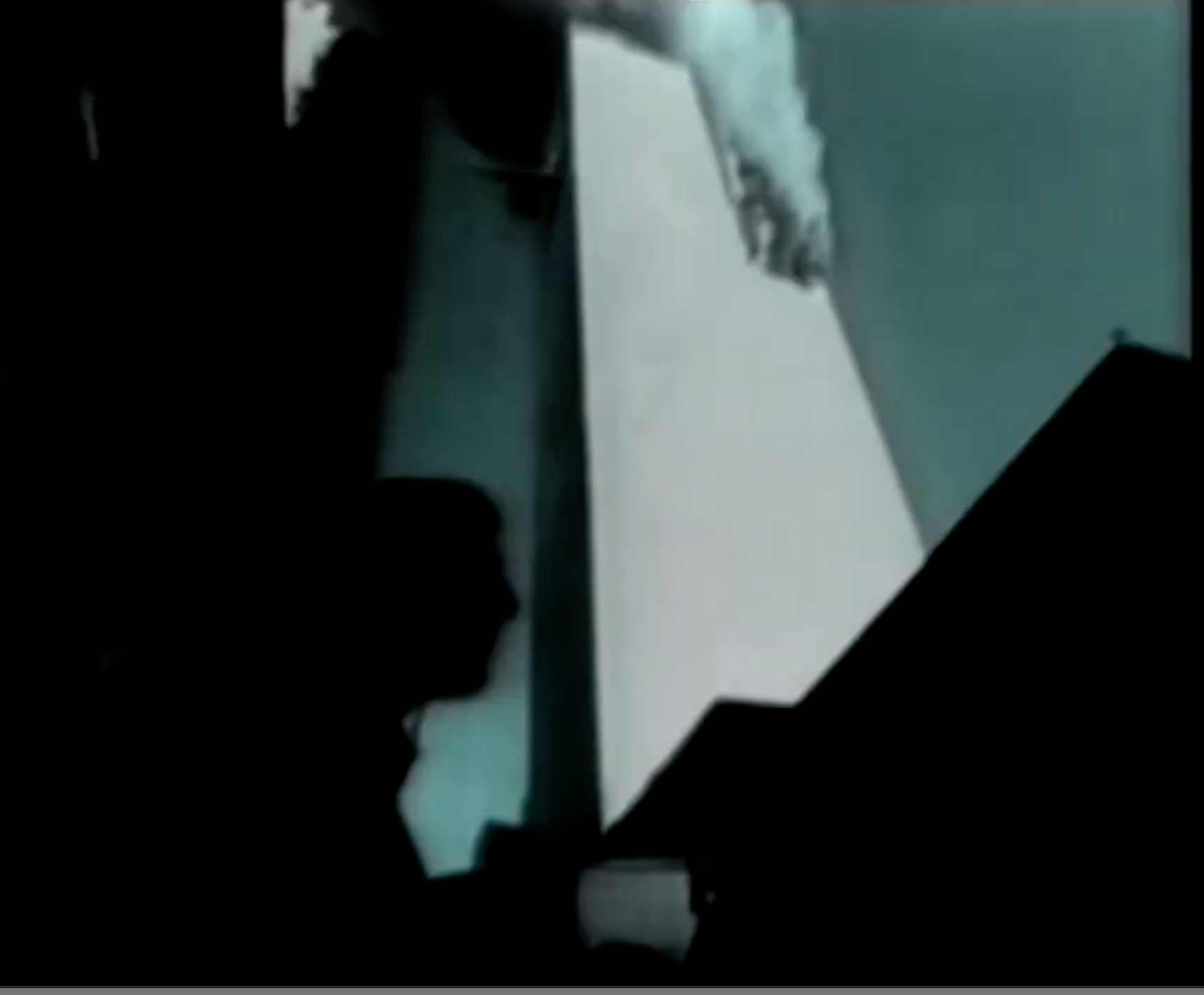
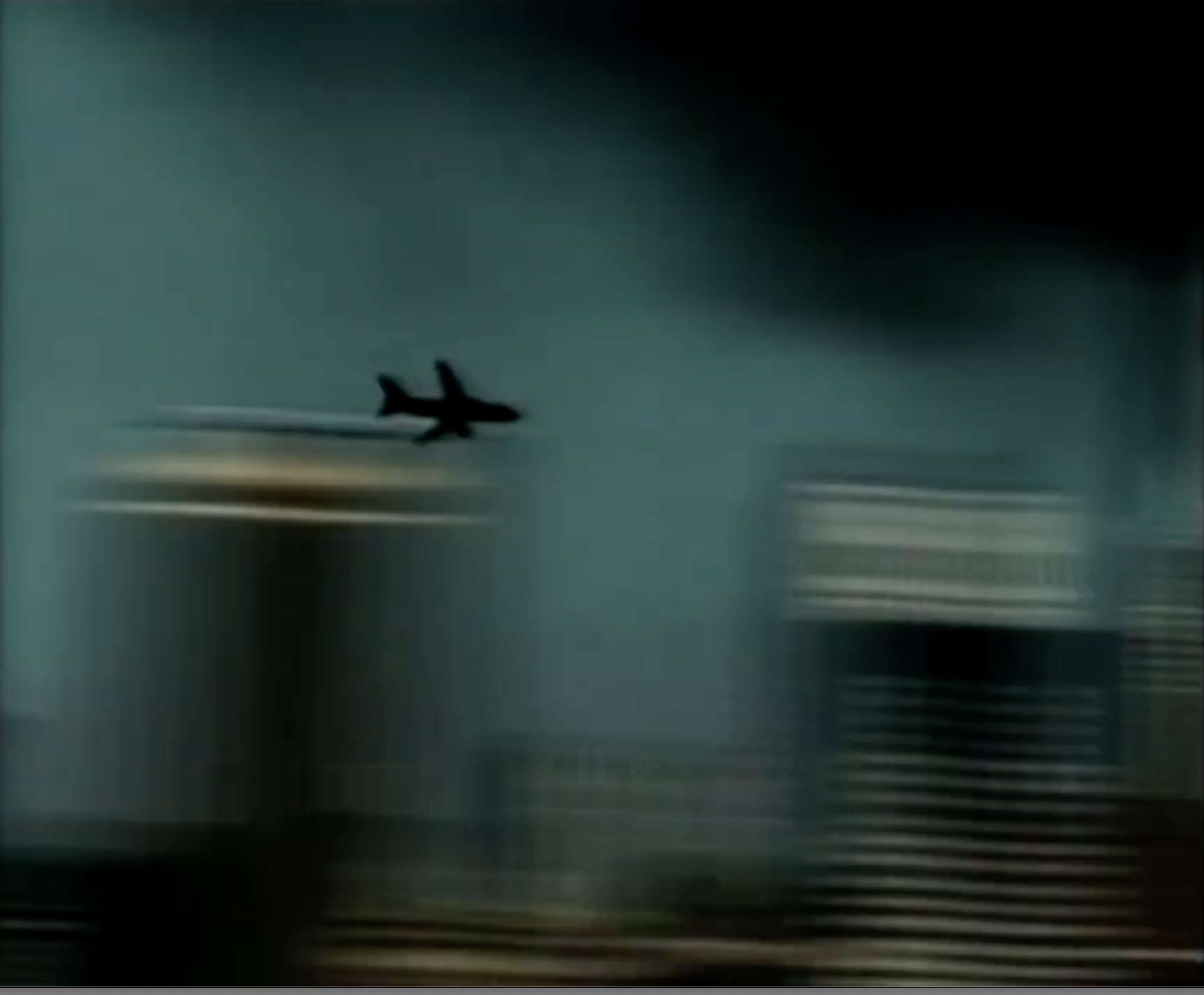
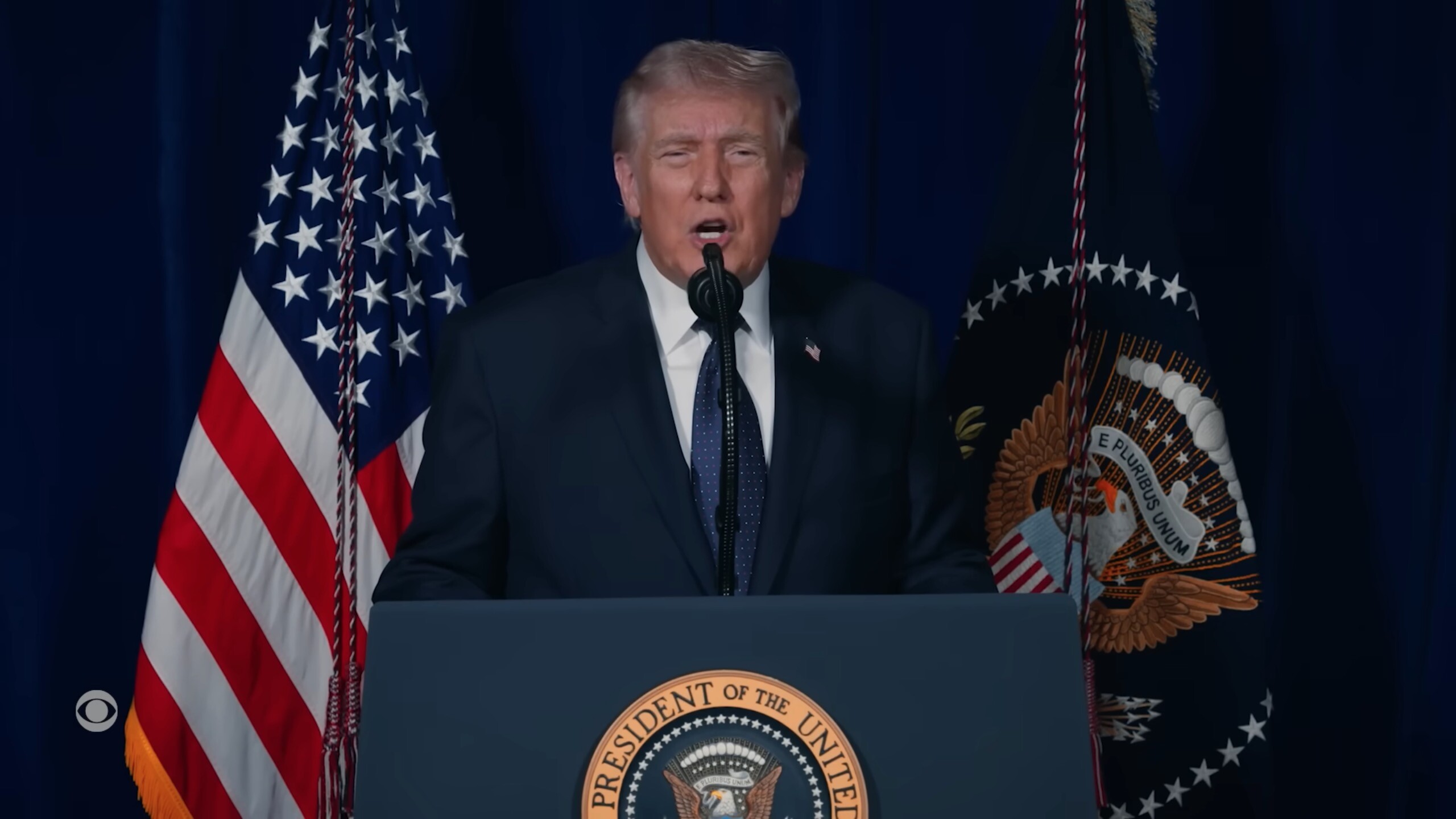
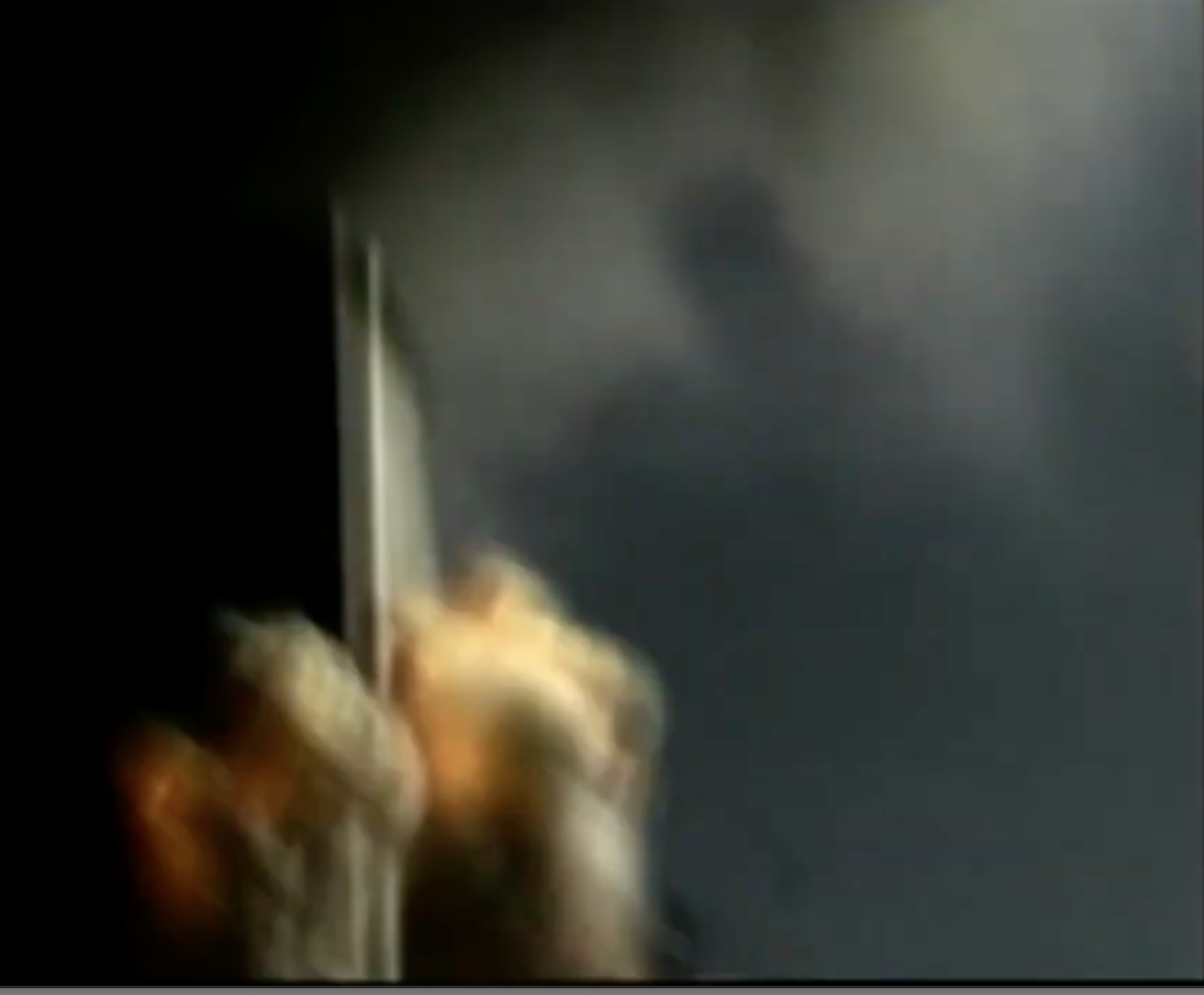
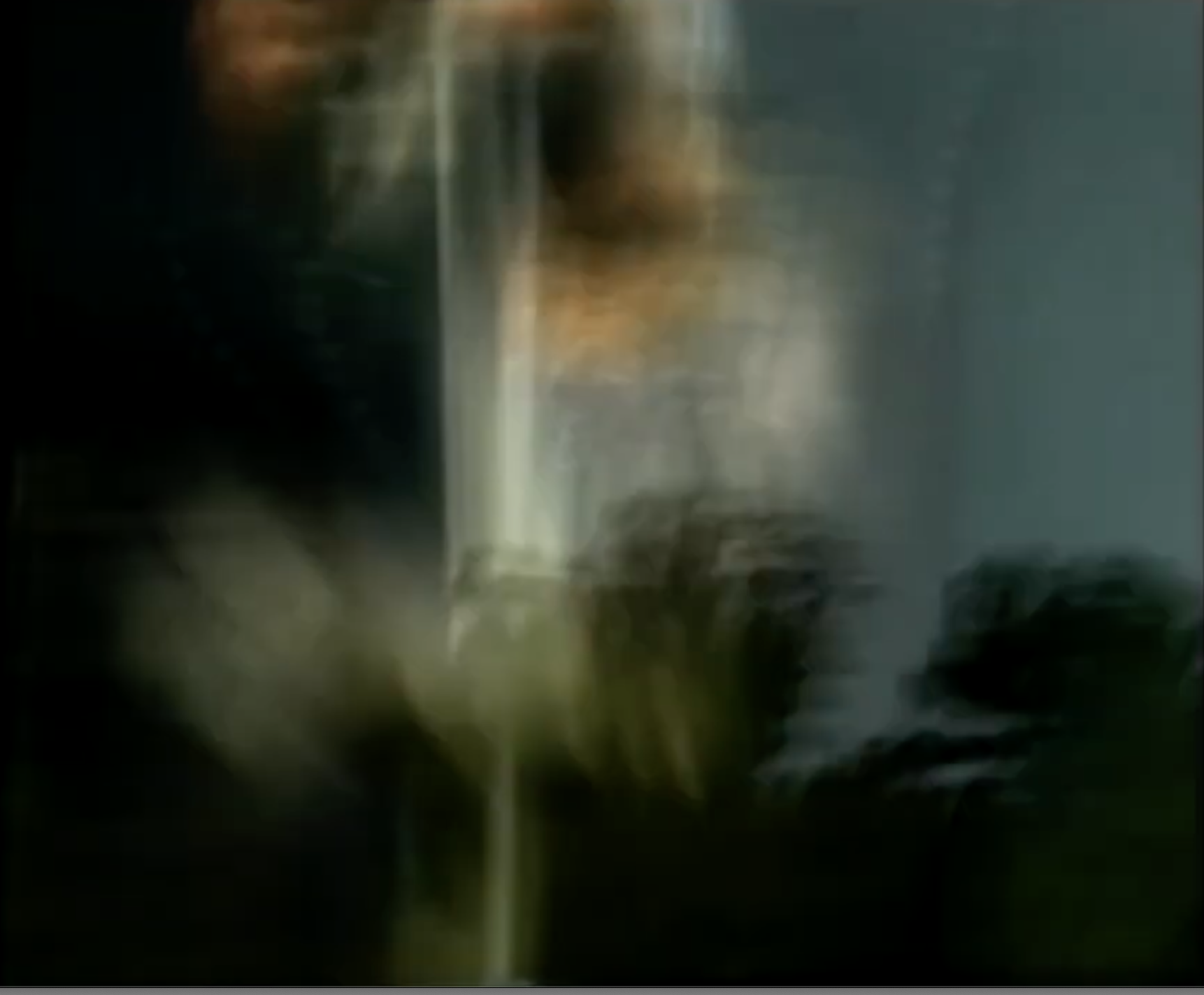
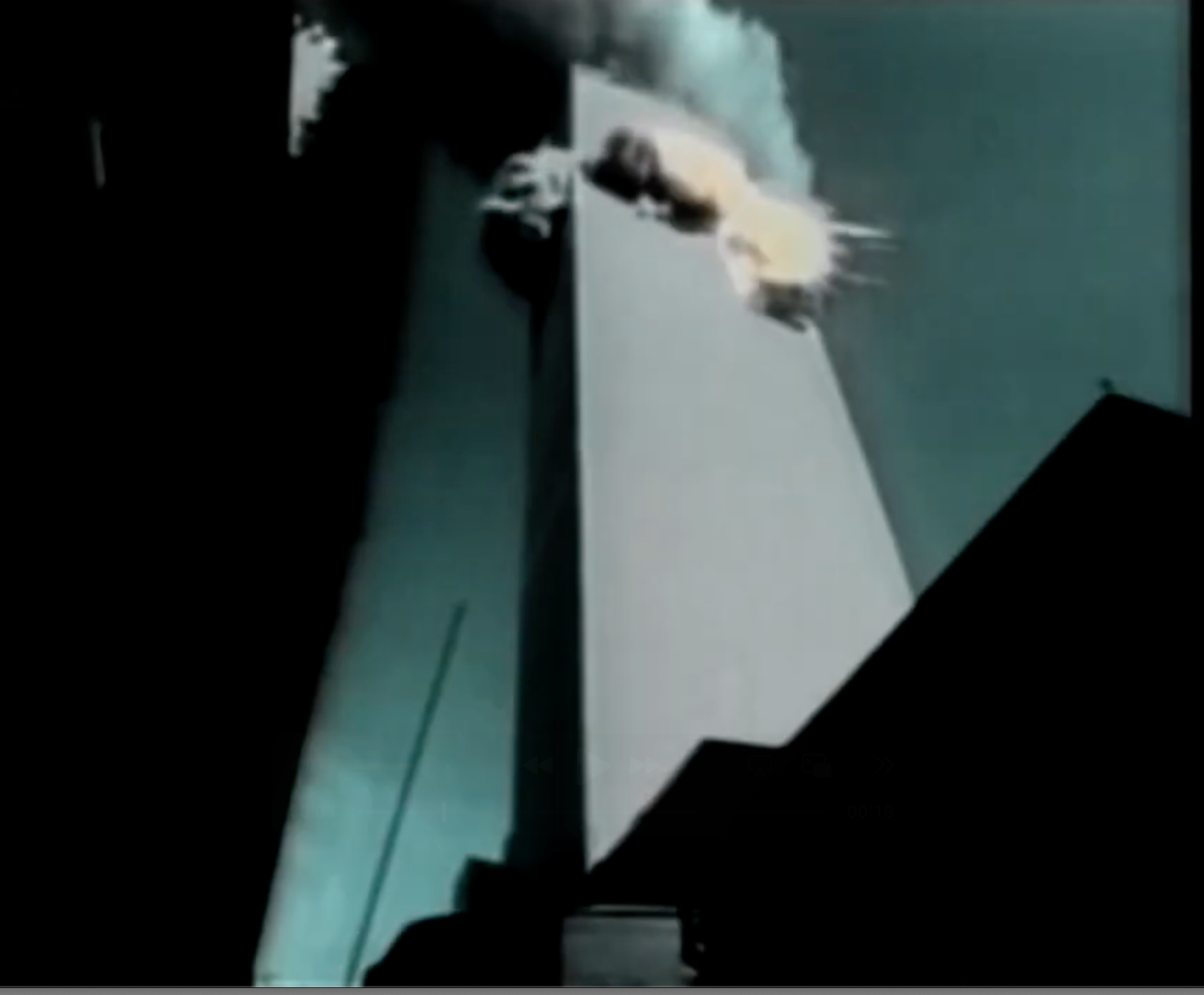
Last year, when he was cancelled as Australia’s representative to the Venice Biennale, we wrote about two works by Khaled Sabsabi that had drawn the attention of Liberal Senator Claire Chandler and a number of Australian newspapers. To briefly recap: on 13 February 2025, Chandler accused two Sabsabi works—Thank You Very Much (2006), in which we see footage of a plane flying into one of the Twin Towers, followed by President George W. Bush saying “Thank you,” and You (2007), in which former Hezbollah leader Hassan Nasrallah speaks directly to camera while his image is mirrored and multiplied across the screen—of “terrorist sympathies” and demanded to know why he was Australia’s representative at the Biennale. To this, Labor’s Penny Wong replied, “I agree with you that any glorification of the Hezbollah leader Nasrallah is inappropriate,” and Arts Minister Tony Burke later said he was “shocked” by the work.
That same afternoon, the CEO of Creative Australia, Adrian Colette, having heard what had happened in the Senate, apparently independently decided—although he did receive a phone call from Burke—to call a meeting to determine whether Sabsabi was still a suitable representative. That evening, the board of Creative Australia overturned the decision they had announced just six days earlier, and Sabsabi was cancelled as Australia’s representative for the Venice Biennale.
The decision provoked much controversy throughout the Australian art world and media, with some approving and others appalled that the board had seen fit to overturn the recommendation made by the very expert panel that they themselves had appointed.
Then, one month later—in fact, just three days before the federal election was called—Monash University deferred an exhibition that included Sabsabi at the Monash University Museum of Art. In a written statement given to the ABC, the university explained: “Through consultation with our communities we have identified there is a need for the Museum to deepen its collaboration and engagement on this exhibition.” Our hypothesis is that Monash University, knowing an election was due to be held and with Peter Dutton doing well in the polls and promising a Trump-style crackdown on universities, and already aware of the Liberal Party’s dislike of Sabsabi’s work, decided that the wisest course of action was the deferral, if not cancellation, of the show.
About three months later, in May 2025, after the Labor government had been re-elected and there was no longer a Dutton-led opposition to worry about, Monash overturned its decision. Stolon Press: Flat Earth opened on 29 May 2025 with Sabsabi in it, although he did little more than throw coffee down the walls of the gallery as though in anger or deliberate carelessness. Then, about five months after his original cancellation, in June 2025, Creative Australia also reversed course, and Sabsabi was once again Australia’s representative at the Venice Biennale.
And that might have been the end of it, except that the terrible anti-Semitic killing of Jewish people at a Hanukkah celebration at Bondi Beach on 14 December 2025 brought it all back again.
Soon after, at a press conference—and this is what started us thinking—then-Liberal leader Sussan Ley said that the Coalition planned to legislate a Creative Australia “no funding trigger” for arrangements that “support anti-Semitic activities”—and who else would the public think she was referring to but Sabsabi, as though now imputing to his work some kind of causative relationship to the terrorists’ actions?
Similarly, in a January 2026 piece in The Australian, “A Year of Hope or a ‘Blind Man’s Pit’? Australia’s Divisive 2026 Arts Calendar,” art critic Christopher Allen denounced the reinstatement of Sabsabi as Australia’s representative to Venice, again connecting his work to terrorism: “This was a national disgrace that we almost averted, but then fell into again, like a blind man slipping into a fetid cesspit, just before the events of Bondi reminded even the most obtuse about the evil of a radical Islamist ideology of hatred and violence.”
And all around Australia, beyond Sabsabi’s work, extraordinarily divisive debates occurred around such topics as the place of Muslim people in Australian society, the level of immigration and from what countries, the question of what counts as anti-Semitism, the banning of public demonstrations protesting Israel’s actions in Gaza, and such pro-Palestinian slogans as “From the river to the sea.” For our part, we cannot help thinking that many on both sides of politics have used the Bondi massacre for their own ends, that in the guise of paying tribute to the victims and seeking to prevent anything like it happening again, they actually only advance their own causes. Here one might think of such things as the cancellation of the invitation for the Palestinian-Australian writer Randa Abdel-Fattah to speak at the Adelaide Writers’ Week, the Labor Party’s reversal of its 2022 policy to enable the return of “ISIS brides” and children stuck in Syria, and SBS’s refusal to screen Mezuzah Man by Jewish-Australian film-maker Jacob Melamed due to “sensitivities around how the subject matter could be received.”
And others seem to feel the same way too. As the former Anglican bishop George Browning wrote in the aftermath of the attack, political leaders must “resist the urge to weaponise grief or assign blame.” And a Bondi local, Kass Hill, when interviewed by the BBC observed of the political response: “The turnaround was amazing in the way they [the politicians] weaponised it … The fingerpointing isn’t solving anything.”
To go back to the one that really got us going—but precisely our point is that all of this is a matter of judgement, with no simple and definitive verdict possible—what could it possibly mean to blame the funding of “anti-Semitic” art for the massacre? What art could Ley have been referring to? We for our part cannot think of any obviously anti-Semitic art shown in an art gallery in Australia in the last twenty years, and Ley cannot yet have been referring to the fly-in-fly-out American Zubeyda Muzeyyen, better known as DJ Haram, who performed at last Friday’s Biennale of Sydney opening at White Bay Power Station, and then left the country shortly after a set during which she sloganised an anti-Semitic Epstein conspiracy popular among MAGA podcasters. Indeed some may also argue that Mike Parr’s putting together of the words “Israel” and “Nazi” on the wall of Anna Schwartz Gallery during his December 2023 performance Sunset Claws, Part 3: Going Home, an exhibition one of us reviewed, is an example, and we are open to that. (But if new laws come in criminalising the publication of such allegedly anti-Semitic speech, it might be Schwartz as well as Parr who would be prosecuted, and that would be absurd.)
And here is where we come back to Sabsabi, for precisely his work Thank You Very Much, in which President Bush says “Thank you” after footage of a plane flying into one of the Twin Towers, is about his exploitation of terrorism and human suffering. For Bush, as we know, used 9/11 as an excuse or justification to invade Iraq and Afghanistan, with both campaigns ending in military and social disaster, with Iraq in prolonged insurgency and sectarian conflict and Afghanistan now again under Taliban rule and severe repression.
Rex Butler teaches Art History in the Faculty of Art Design and Architecture at Monash University. Paris Lettau is Editor-In-Chief of Memo Magazine.