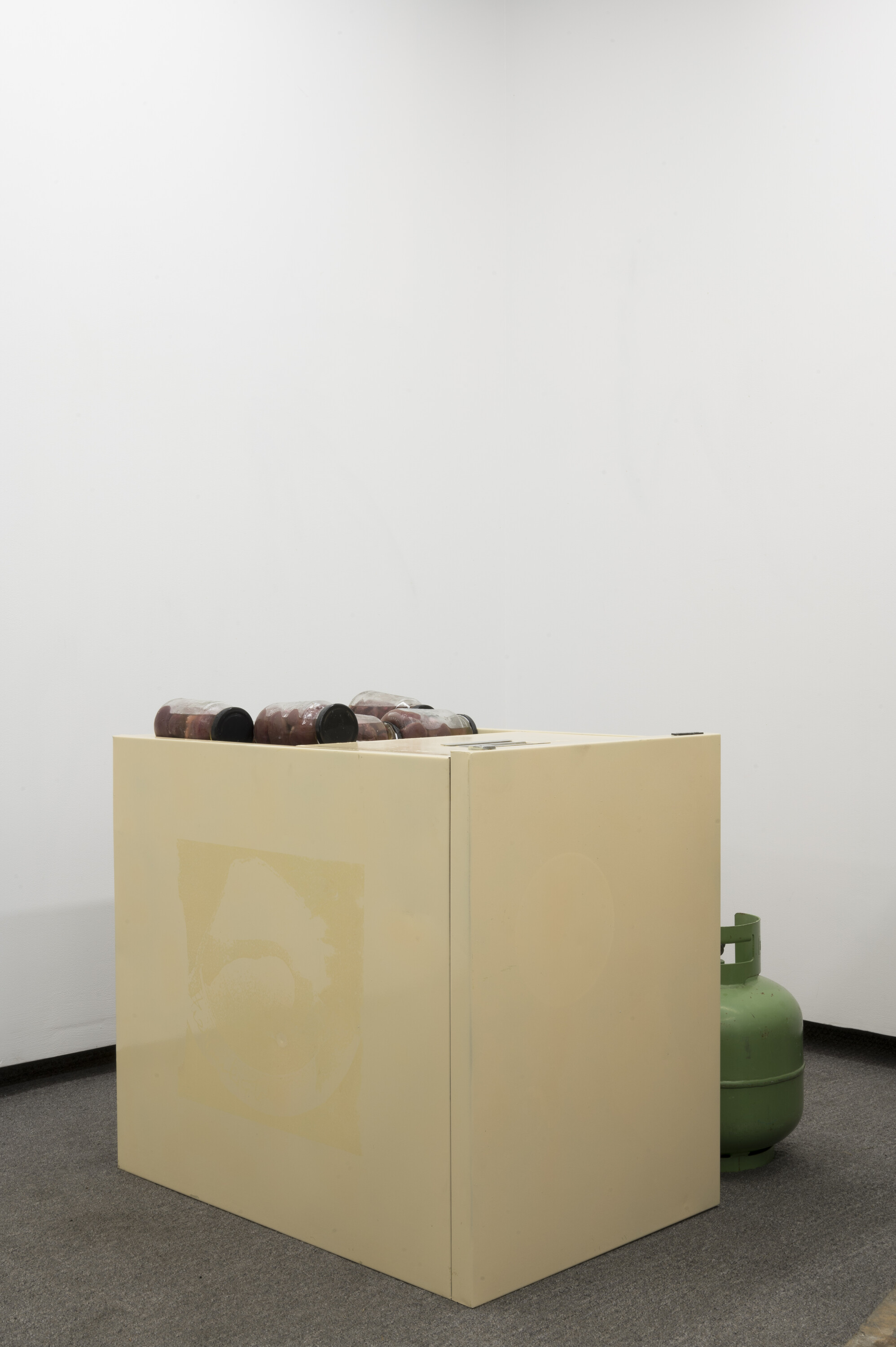
Alexandra Peters: Dead/Quiet
“It is no longer my face (identification), but the face that has somehow been given to me (circumstantial possession) as stage property.” — Jason Bahbak Mohaghegh, Omnicide: Mania, Fatality, and the Future-in-Delirium
Alexandra Peters scoops me up in her janky grey Subaru Forester almost every time we meet. She entered my artworld orbit around 2014 when she was studying fashion at RMIT. It was a potent period for a subcultural convergence of Melbourne’s artists, designers, musicians, and even skaters. Fashion adjacent ARIs such as Centre for Style, Rare Candy, and Monica’s Gallery provided significant cultural territory, at least enough for a teenager like me to access it and feel welcomed. Today, “expanded design” is perhaps our closest attainment of commercial cultural hegemony, in which montage and image reproduction reign supreme.
Exclusive to the Magazine
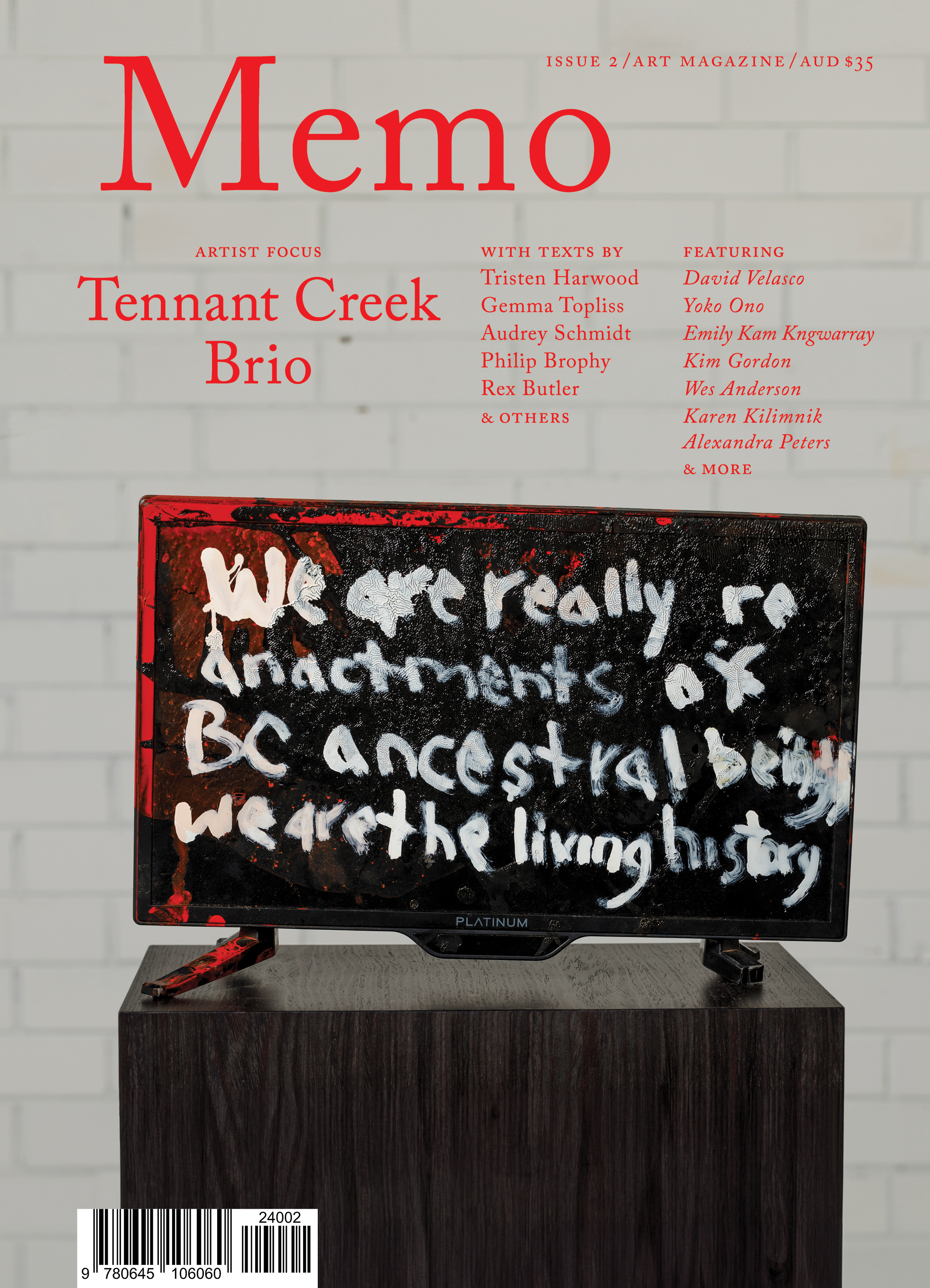
Alexandra Peters: Dead/Quiet by Carmen-Sibha Keiso is featured in full in Issue 2 of Memo magazine.
Get your hands on the print edition through our online shop or save up to 20% and get free domestic shipping with a subscription.